Gear · 03 December 2021
New gear!
An Orion ED80T CF triplet refractor adds a crisp 480 mm, f/5.6 option for larger deep-sky targets.
I managed to get a little funding from the CFO (Sheryl), so I bought an Orion ED80T CF 80 mm Carbon Fiber APO Triplet Refractor. The scope has a carbon-fibre body, which makes it attractive and light.
Why this scope?
My main optical tube is a Celestron 11″ EdgeHD with a 2800 mm focal length and focal ratio of f/10. A focal reducer takes it to f/7 and a Starizona HyperStar accessory lets it work at f/2, making it versatile—but every telescope design has different strengths.
I wanted a triplet refractor to complement the Schmidt–Cassegrain so I could take better deep-sky photographs at a lower focal ratio. The triplet produces razor-sharp images without chromatic aberration, making it excellent for both visual and colour imaging.
A refractor needs a flat field for photography. This second-hand scope came with a Tele Vue 0.8× reducer and flattener, converting it from 600 mm f/6 to 480 mm f/5.6. The fully multi-coated three-element unit fits directly into the 2″ focuser and works with 400–600 mm refractors.
The Trade Me deal was excellent: $1,010 for a scope that cost about $2,100 new, plus a flattener worth roughly $500. It opened a focal length and style of imaging that I could not cover before.
At the same time I was trying to image the Andromeda Galaxy. M31 is particularly difficult from New Zealand because it barely clears the horizon, and its apparent size is far too large for my existing scopes. A focal length near 230 mm—essentially a camera lens—is a much better match.
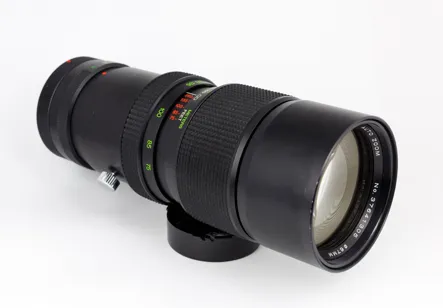
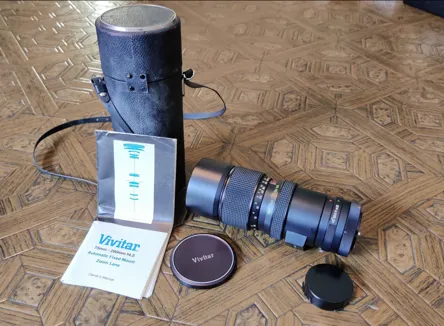
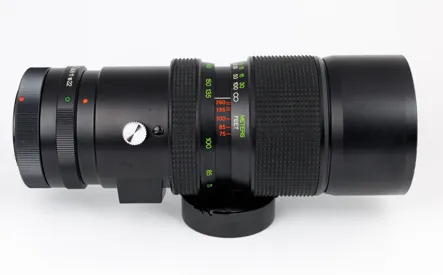
Another Trade Me search found a manual-focus Vivitar Auto Zoom 75–260 mm f/4.5 lens and an adaptor for the astronomy cameras. At $73 it was an ideal bargain for larger targets.
Mounting
Both pieces arrived on the same day, which created the next challenge: how to mount them. The Orion came with a Vixen-style shoe while the top of the EdgeHD carries a Losmandy dovetail. I removed the Orion mount and used 125 mm guide-scope rings, which worked well.
The Vivitar required more creative thinking. I made a bracket from a finder-scope mount, a piece of aluminium and a few connecting screws. A bit improvised, but that’s how I roll.
Final mounted setup
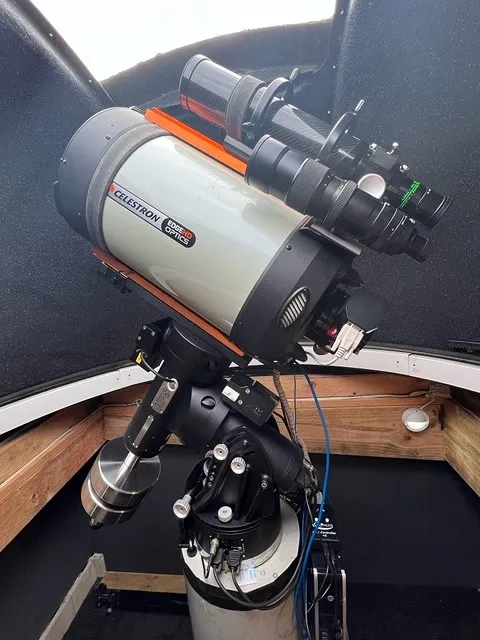
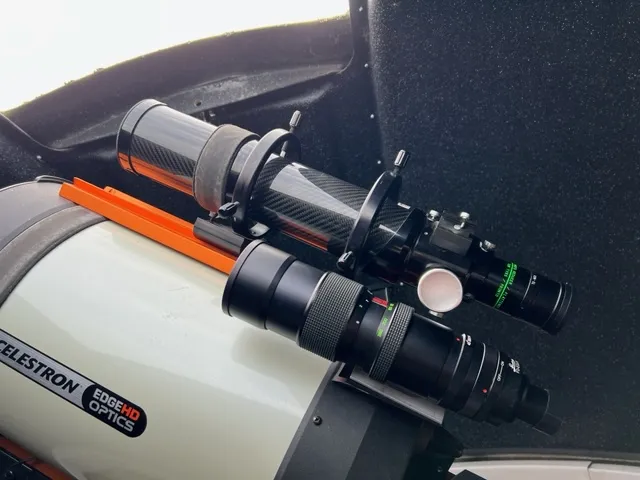
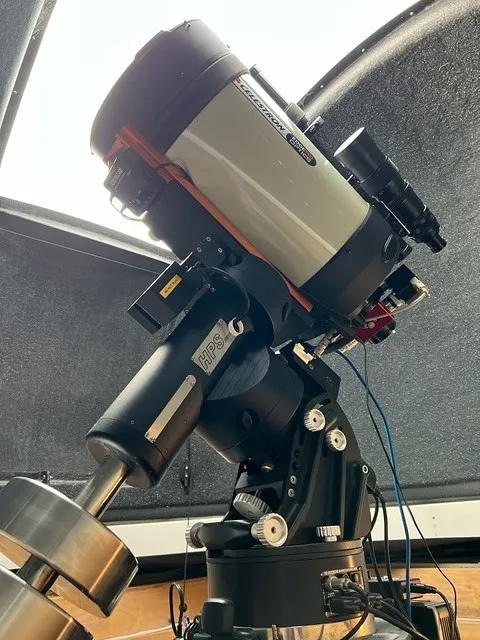
The wide iPhone setting caused a little fish-eye distortion in the photographs, but the setup was ready. I couldn’t wait to try it out—Kirk out.