Control room · 12 August 2020
Observatory software
The applications behind planning, guiding, sequencing, plate solving and processing a night’s data.
With the Kronos workstation built and physically installed, it was time for the software. I have tried many different applications over the years, and the mixture of ASCOM drivers and utilities can become messy. Starting from scratch was a chance to create a clean build.
ASCOM
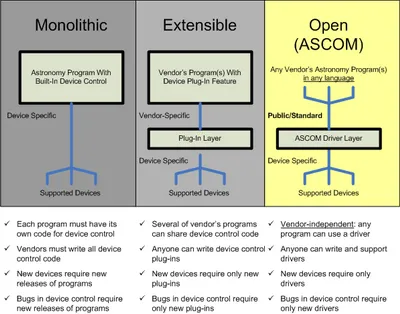
ASCOM is an absolute must. Its open standards let astronomy applications and devices communicate through a common plug-and-play control layer.
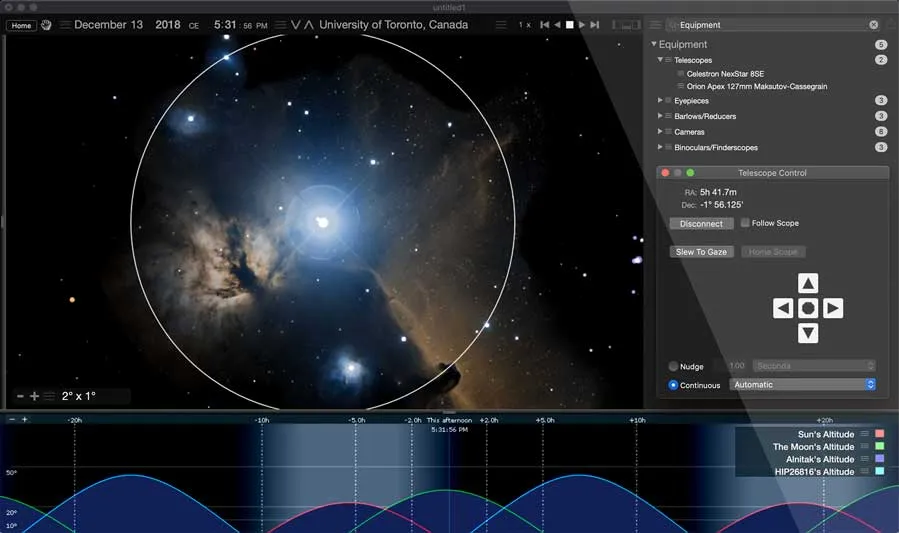
Starry Night Pro Plus 8
Starry Night is the planetarium and telescope-control environment. It provides a live view of the sky, stores the observatory equipment and camera fields of view, frames potential photographs and can slave the telescope to the displayed position. Its OpenGL renderer runs nicely on the Nvidia GTX1080.
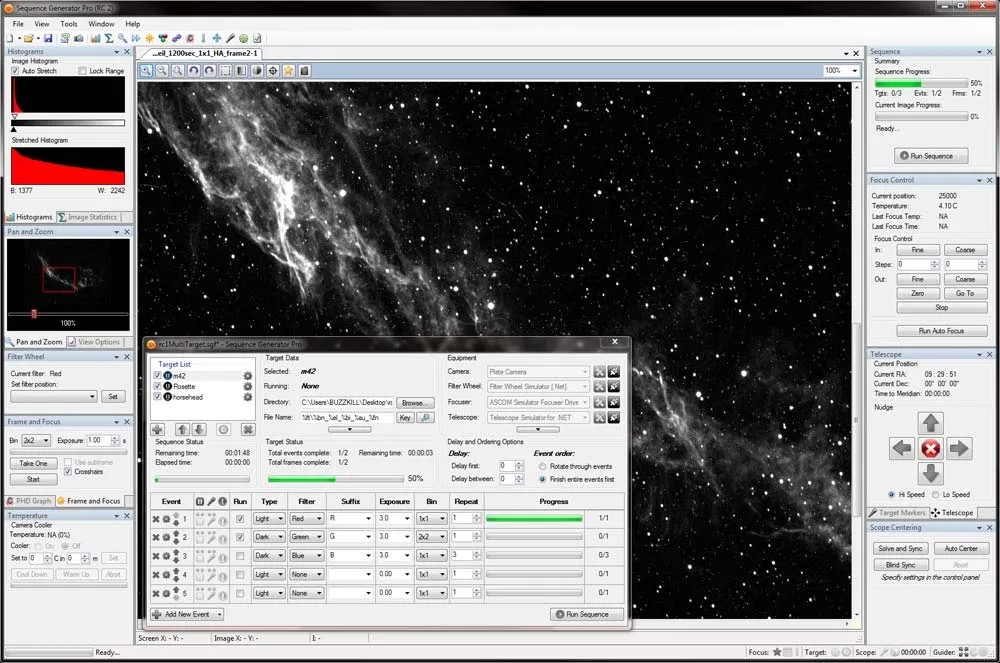
Sequence Generator Pro
Sequence Generator Pro ties the equipment together. It controls cameras, builds timed LRGB capture sequences, runs autofocus and integrates with PHD2 for autoguiding.
I previously used Maxim DL for a similar job, but found it less advanced than SGP despite costing more and receiving fewer updates.
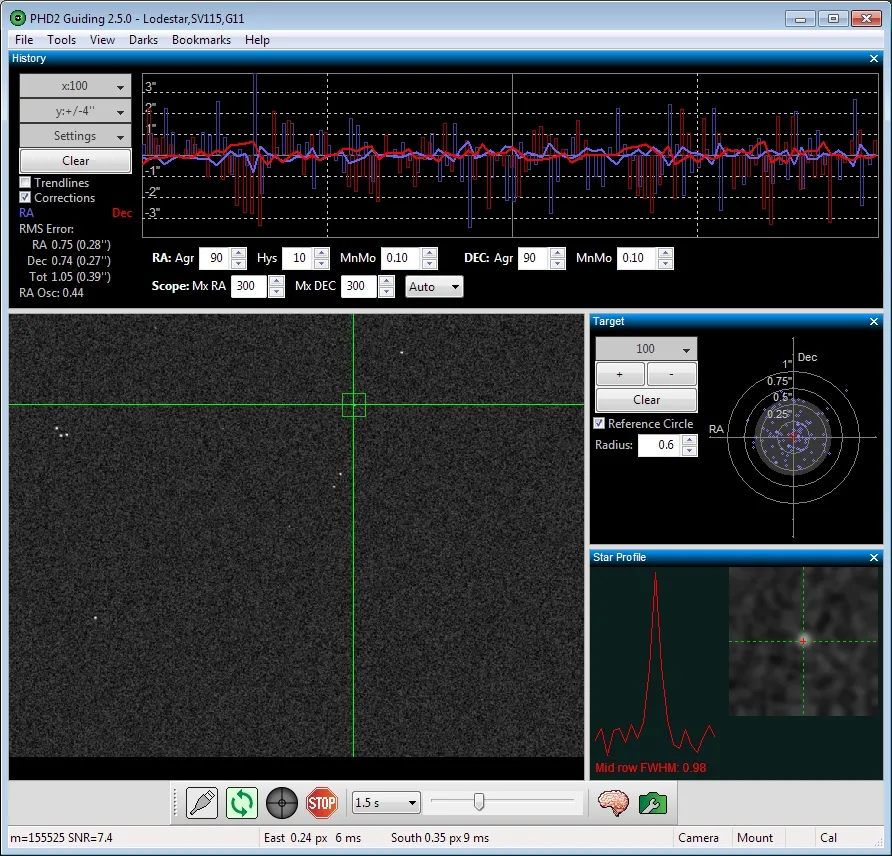
PHD2 Guiding
PHD2 is the best autoguiding software around, and it is open-source and free. It continually measures a guide star and sends small corrections to keep long exposures precisely aligned.
PixInsight
PixInsight is the image editor: the best software I have found for calibrating, stacking and processing astrophotography data. It is powerful, complicated and hungry for processing power and memory—requirements Kronos was designed to handle.
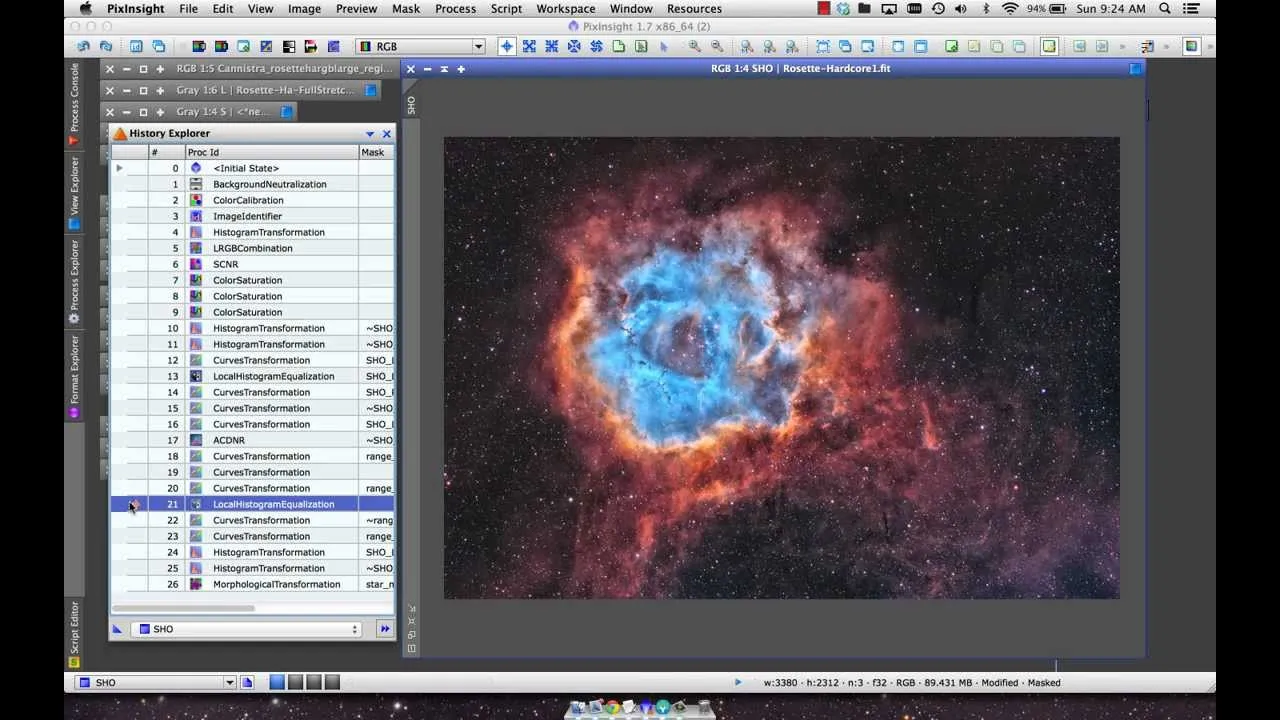
Adobe Photoshop remains useful, but it is a general image editor rather than an astrophotography-specific processing system, so most of the work happens in PixInsight.
Planning and plate solving
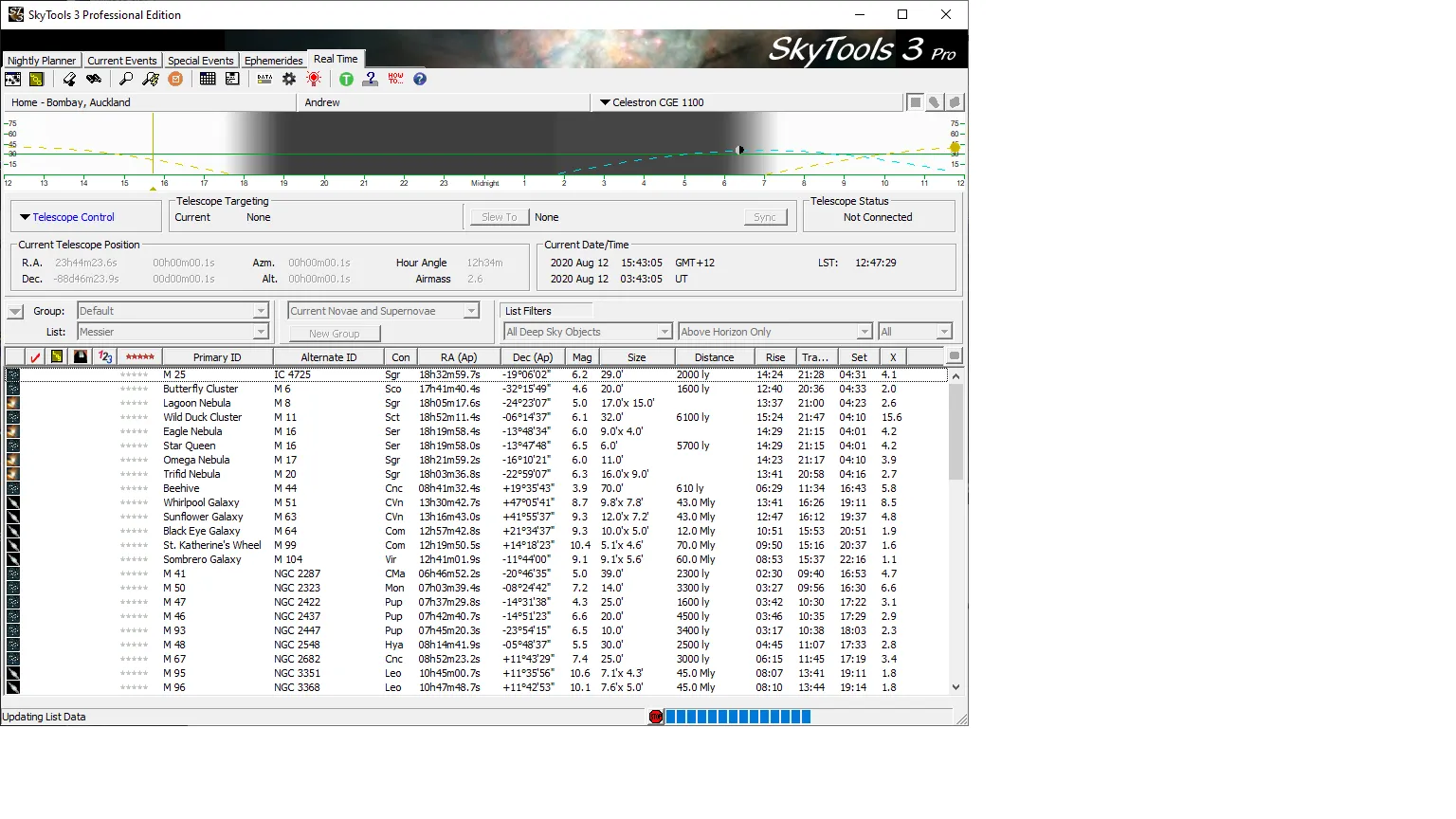
SkyTools is used to decide what to image during an evening. PlateSolve 2 automatically identifies the stars in a captured frame, allowing SGP and other applications to centre the telescope accurately.
N.I.N.A.
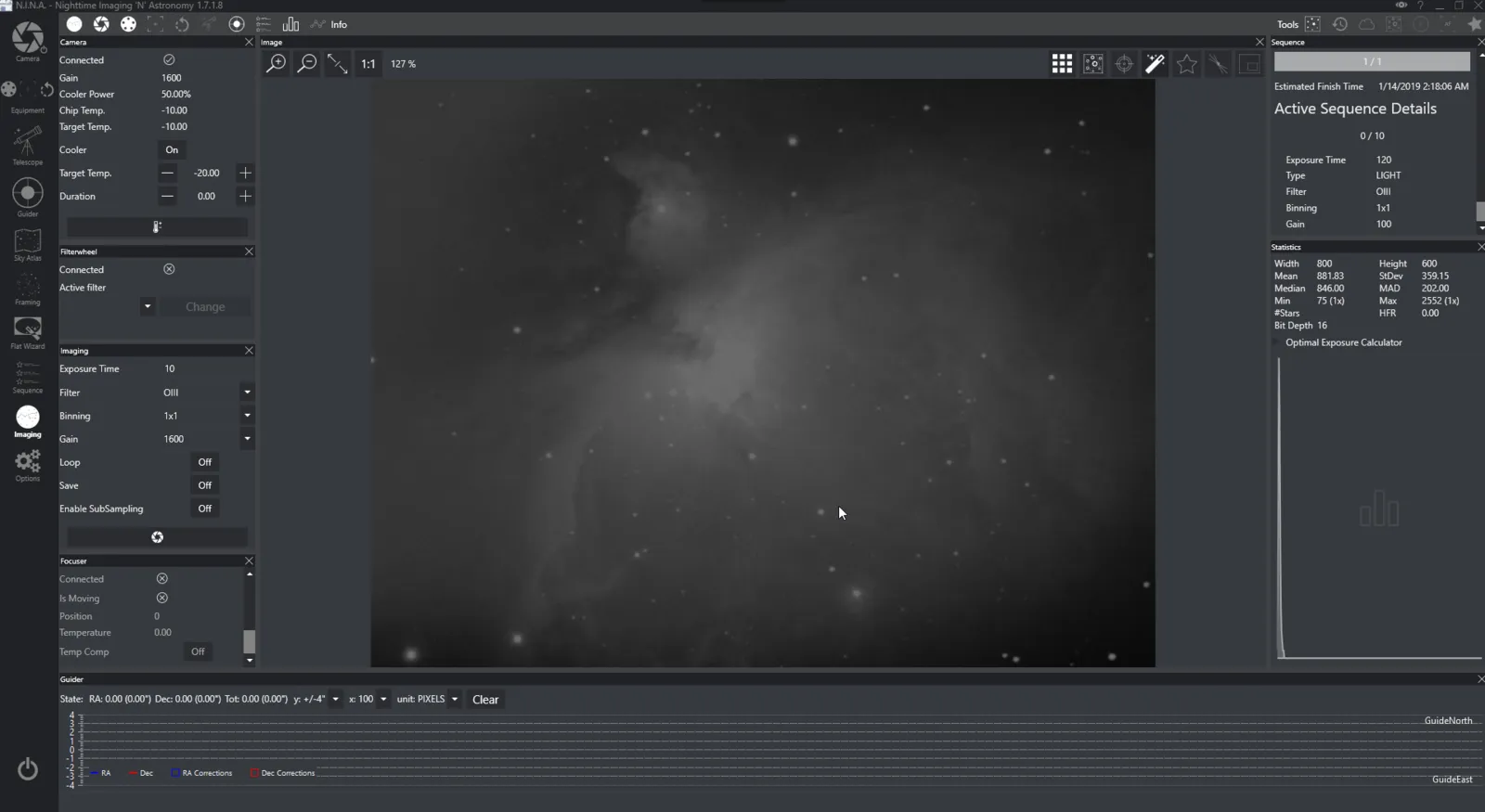
N.I.N.A.—Nighttime Imaging ‘N’ Astronomy—offers a free, open-source alternative to SGP. At the time of this build I had installed it but had not yet spent enough time with it to decide whether it would become part of the normal workflow.
Equipment drivers
The final layer is the hardware drivers: ZWO ASI1600MM and ASI174MM cameras, the ZWO filter wheel, MoonLite DRO and MicroTouch focusers, the 10Micron mount driver and Virtual Keypad 2.